The Connection Between Hub Flanges and High-Performance Cycling Gear
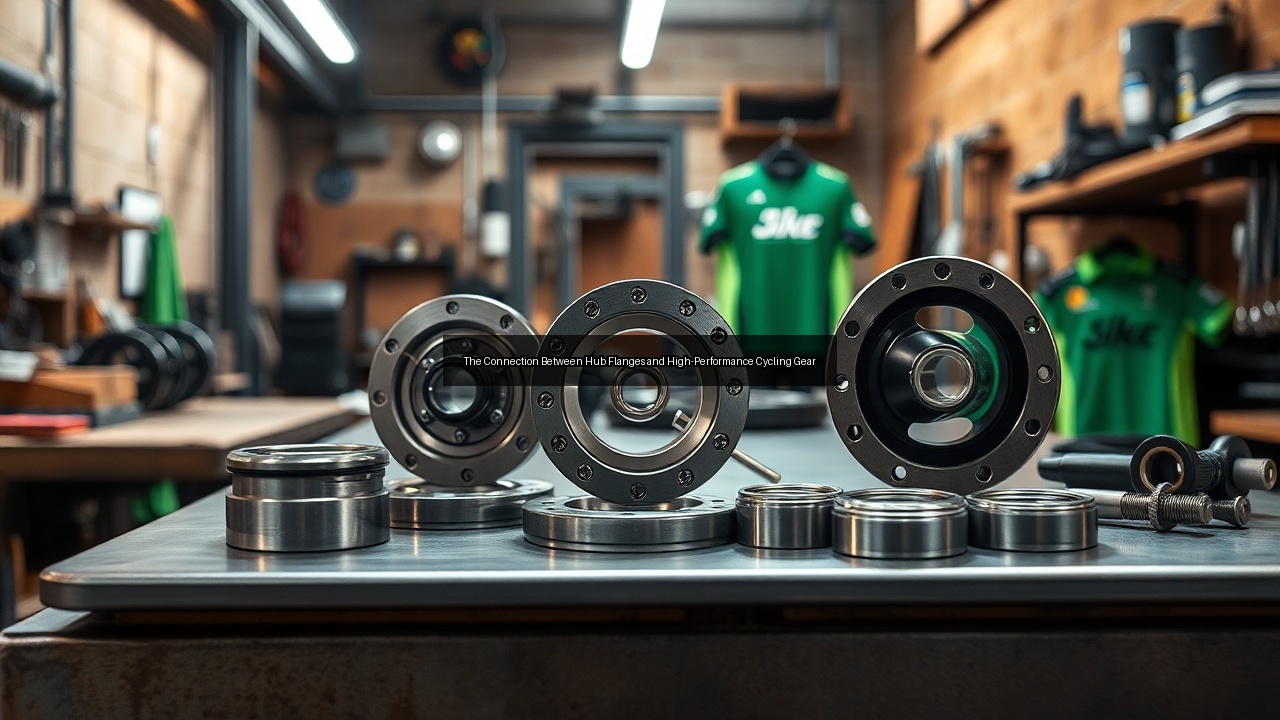
Understanding Hub Flanges in Cycling Gear
What are Hub Flanges?
Hub flanges form the critical attachment points on a bicycle wheel hub where spokes connect to create structural integrity. These circular extensions sit at each end of the hub body and determine how evenly tension distributes across the wheel. Riders who demand precision in their setups examine flange diameter and spoke hole count closely because those details shape overall wheel stiffness. A well-designed hub flange supports high spoke tension without deformation, which keeps the wheel true during aggressive cornering and sprinting. Mechanics often compare flange hub options when building custom wheels for road or gravel use. Proper selection reduces flex and improves power transfer from the pedals to the road surface.
Flange geometry also influences how easily a wheel builder can lace spokes in cross patterns that maximize durability. Cyclists searching for flange hub upgrades frequently check stock levels at specialty shops before committing to a new set. The right choice prevents common issues like spoke fatigue and maintains consistent performance across long training rides.
The Role of Flanges in Wheel Performance
Flanges directly affect lateral stiffness and torsional rigidity in a completed wheel. Larger flanges increase the bracing angle of the spokes, which reduces side-to-side movement when riders apply power through sharp turns. Smaller flanges lower weight but can allow more flex under heavy loads, a trade-off many competitive cyclists evaluate carefully. Wheel builders adjust flange specifications to match rider weight, terrain, and racing demands. This tuning produces wheels that accelerate quickly yet remain stable at high speeds. Shops in regions with demanding climbs stock multiple flange sizes to meet local rider preferences.
Mechanics note that flange placement also influences how bearings sit inside the hub shell. Correct alignment minimizes friction and extends bearing life during wet or dusty conditions. Riders who upgrade flanges often notice smoother rolling and fewer maintenance stops on long events.
Types of Hub Flanges: A Comparative Analysis
Standard flanges suit everyday training wheels while oversized versions appear in sprint and time-trial setups. Low-flange hubs reduce aerodynamic drag and weight for climbers, yet high-flange designs deliver superior stiffness for criterium racing. Disc-brake hubs often feature reinforced flanges to handle additional torque from braking forces. Builders compare these options by measuring spoke pull angles and testing wheel deflection under load. Many cyclists review flange hub catalogs online before adding items to their cart for upcoming builds.
Regional markets around Bordeaux and Aurillac carry distinct inventories of flanged hubs tailored to local racing calendars. Riders there prioritize corrosion-resistant materials because of frequent rain and coastal conditions. Comparative testing shows that pairing the correct flange type with quality spokes yields measurable gains in both acceleration and cornering precision.
The Mechanics of Bearings and Flanges
Flange Ball Bearings: An Overview
Flange ball bearings integrate a lip or rim that helps position the bearing precisely within the hub shell. This design prevents axial movement and keeps the flange aligned with the spoke holes during rotation. High-quality flange ball bearing units reduce play that otherwise creates vibration at speed. Cyclists notice the difference when descending technical sections where consistent wheel tracking matters most. Manufacturers machine these bearings from hardened steel or ceramic materials to withstand repeated high loads.
Proper installation requires clean surfaces and correct preload so the bearings roll smoothly without binding. Shops that service competitive teams maintain a stock of replacement flange ball bearing kits for quick turnarounds between races. Riders who upgrade to sealed units report longer service intervals even after exposure to mud and water.
How Set Screws Impact Flange Functionality
Set screws secure the bearing and flange assembly against the hub axle, eliminating unwanted movement under torque. A properly tightened set screw maintains consistent bearing preload and prevents the flange from shifting during hard accelerations. Mechanics torque these fasteners to manufacturer specifications to avoid both under- and over-tightening that could damage threads. Many modern hubs feature multiple set screw positions that allow fine adjustments for different riding styles.
Riders preparing for events like the Tour de France Femmes often request custom torque checks on set screw placements to ensure reliability across varied stages. Poor set screw installation leads to premature wear on bearings and spokes alike. Shops in Pau and surrounding areas keep specialized tools on hand for these precise adjustments.
The Importance of Bushings in Wheel Assembly
Bushings act as spacers and load distributors between the flange and bearing surfaces inside the hub. They reduce metal-to-metal contact that accelerates wear and maintain proper spacing for smooth rotation. High-performance bushings made from bronze or polymer composites lower friction and improve overall drivetrain efficiency. Wheel builders select bushing materials based on expected mileage and environmental conditions.
Correct bushing fitment ensures the flange remains centered and spoke tension stays balanced. Teams traveling through Bordeaux often carry spare bushings because local roads can introduce additional vibration. Replacing worn bushings restores wheel trueness and prevents spoke breakage during intense training blocks.
Performance Impact on Competitive Cycling
High-Performance Gear and Flange Design
Elite riders select hub flange designs that balance low weight with maximum stiffness for decisive moments in races. Flange diameter influences how quickly power reaches the tire contact patch, a factor that separates winning sprints from mid-pack finishes. Engineers test new flange profiles in wind tunnels and on rolling roads to quantify gains in acceleration and stability. Teams integrate these findings into wheel specifications that complement lightweight frames and aerodynamic jerseys.
Custom flange hub builds appear regularly in professional pelotons because marginal improvements compound over long stages. Riders who optimize every component, including flanges, gain confidence when attacking climbs or defending positions in crosswinds.
Case Study: Tom Pidcock's Gear Choices
Tom Pidcock consistently chooses wheel systems with reinforced flanges and precision flange ball bearing setups for both road and off-road events. His mechanics emphasize spoke bracing angles that deliver immediate response during explosive accelerations. These choices reflect detailed analysis of how flange geometry interacts with tire pressure and rider weight distribution. Pidcock's equipment reflects ongoing refinement based on race feedback and component testing data.
Observers note that his wheel builds incorporate durable set screw placements and high-grade bushings to survive the demands of mixed-terrain racing. Such attention to hub flange details supports his ability to maintain speed through technical sections where others lose time.
The Influence of Flanges on Tour de France Femmes
The Tour de France Femmes showcases how small engineering decisions around hub flanges affect stage outcomes. Teams prioritize wheels with optimized flange hub designs that reduce weight while preserving stiffness for mountain finishes. Riders report improved handling when flanges support higher spoke counts that resist deformation under braking forces. Equipment choices also consider the green jersey competition, where consistent performance across flat and hilly stages proves decisive.
Mechanics traveling with the race carry replacement flanges and bearings to address any issues that arise from cobblestone sections or wet weather. The event highlights how thoughtful flange selection contributes to both individual and team success in elite women's cycling.
Regional Variations in Cycling Gear
Exploring Cycling Equipment in Bordeaux and Aurillac
Bordeaux and Aurillac host vibrant cycling communities that demand specialized hub flange options suited to local terrain. Bordeaux riders often favor lightweight flanges for long flat rides along the coast, while Aurillac enthusiasts select reinforced models for the surrounding hills. Local shops maintain diverse inventories that include multiple flange diameters and bearing configurations to serve both recreational and competitive cyclists.
Mechanics in these areas frequently discuss how regional weather affects bushing and set screw longevity. Riders there exchange recommendations on flange hub models that perform reliably across changing conditions.
The Significance of Flange Specifications in Local Markets
Local markets in France place strong emphasis on flange specifications because they influence wheel longevity and rider satisfaction. Shops track which flange hub sizes move fastest during peak season and adjust stock accordingly. Customers often request specific bearing and bushing combinations when building wheels for events near Pau or other regional races. Clear communication about flange diameter and spoke hole patterns helps match equipment to individual needs.
Retailers also educate buyers on how set screws and bushings interact with chosen flanges to deliver optimal performance. This focus on detail strengthens customer loyalty and supports the broader cycling culture in these communities.
Future Trends in Cycling Gear Design
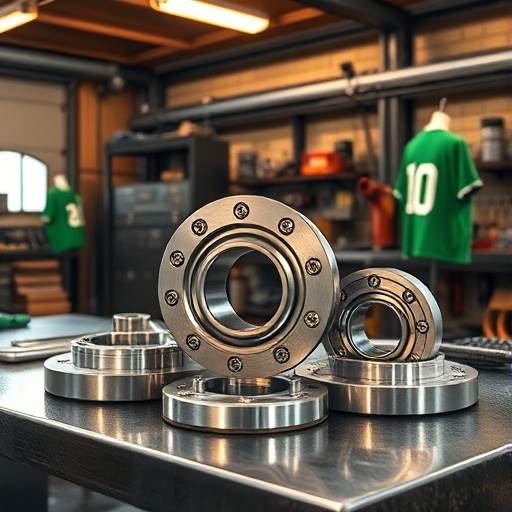
Innovations in Hub Flange Technology
Manufacturers continue refining hub flange shapes through advanced computer modeling and 3D printing techniques. New designs reduce material while increasing stiffness, allowing lighter wheels without sacrificing strength. Integration of sensor-ready flanges that monitor spoke tension in real time represents an emerging frontier. These innovations respond directly to feedback from professional riders who test equipment under race conditions.
Engineers also explore coatings that protect flanges and bearings from corrosion, extending service life in demanding environments. The pace of development suggests continued gains in efficiency and durability for future wheel systems.
The Role of Sustainability in Cycling Gear Production
Sustainability efforts now shape how companies produce hub flanges and related components. Recycled aluminum and responsibly sourced bearings reduce environmental impact without compromising performance. Manufacturers redesign bushings and set screws for easier disassembly and reuse at end of life. These changes appeal to riders who want high-performance gear that aligns with broader ecological values.
Shops in Bordeaux and Aurillac increasingly highlight sustainable flange hub options when advising customers. The industry trend points toward circular production models that maintain quality while lowering resource consumption across the supply chain.
See Also
- Hub Flanges Explained for DIY Enthusiasts and Bike Builders
- The Future of Hub Flanges in Sustainable Bicycle Manufacturing
- Why Set Screws and Hub Flanges are Key to Reliable Machinery
- A Deep Dive into the Relationship Between Hub Flanges and Ball Bearings
- Exploring the Importance of Hub Flanges in Modern Engineering