The Science Behind Spun Metal Discovering Alloys and Materials for Success
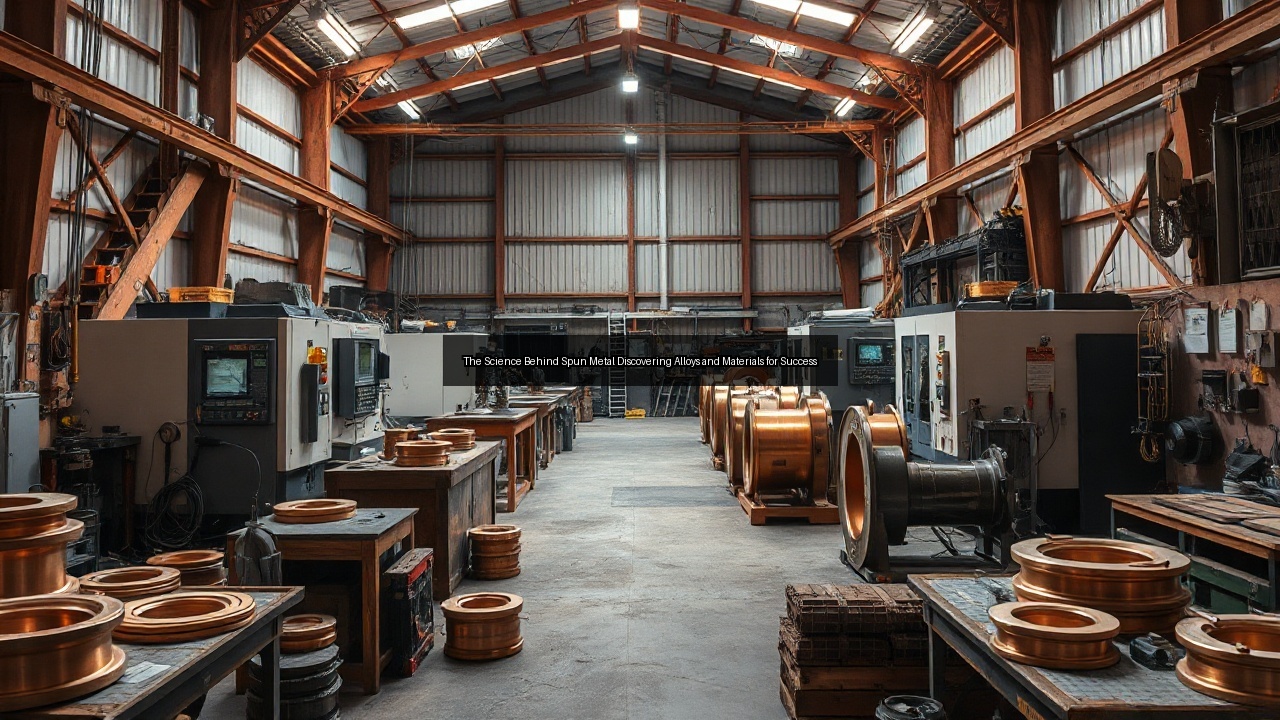
Understanding Metal Spinning and Its Applications
Overview of the Metal Spinning Process
Metal spinning, a versatile metalworking technique, involves shaping a metal disk or tube around a rotating axis to form cylindrical, conical, or toroidal shapes. The process begins with a flat sheet of metal, which is clamped onto a spinning lathe. As the lathe turns, a specialized tool applies pressure to the metal, gradually forming it into the desired shape. This technique stands out due to its efficiency and ability to produce parts with minimal waste. Manufacturers appreciate metal spinning for its capacity to create large diameter components like gas cylinders, where precision and strength are crucial. The seamless nature of spun metal enhances durability, making it ideal for various applications in industries such as aerospace, automotive, and architecture.
Key Materials Used in Metal Spinning
Choosing the right materials is essential in the metal spinning process. Metals such as aluminum, brass, bronze, copper, and carbon steel frequently serve as primary choices. Aluminum offers lightweight properties, making it suitable for applications where weight savings are essential, while brass and bronze provide excellent corrosion resistance and aesthetic appeal. Carbon steel, on the other hand, boasts impressive strength and durability, making it ideal for heavy-duty components. Each material has unique properties that influence the spinning process, including formability, strength, and thermal conductivity. Understanding these characteristics ensures manufacturers select the best metal for their specific needs, enhancing the final product's performance and longevity.
Types of Alloys Commonly Spun: From Bronze to Carbon Steel
Alloys play a critical role in metal spinning, offering diverse properties that suit various applications. Bronze, an alloy of copper and tin, is often spun to create intricate designs due to its malleability and appealing finish. Similarly, brass, composed of copper and zinc, is popular for decorative items and functional components alike. Carbon steel, known for its strength, is spun for heavy-duty applications, such as automotive parts and machinery components. Each alloy presents unique advantages, from aesthetic qualities to mechanical properties, allowing manufacturers to tailor their products for specific functions. The choice of alloy can significantly impact the overall success of a metal spinning project, making it crucial for engineers to understand the properties of each material.
The Role of Technology in Metal Spinning
CNC Machining in Precision Metal Spinning
CNC machining revolutionizes the metal spinning process by enhancing precision and efficiency. This technology allows manufacturers to program intricate designs into the spinning process, ensuring consistency across production runs. CNC machines operate with high accuracy, enabling the creation of complex geometries that traditional spinning methods may struggle to achieve. By integrating CNC technology, companies reduce the risk of human error and increase output. This precision extends to components like bearings, where exact dimensions are vital for functionality. As industries demand tighter tolerances and more complex shapes, the integration of CNC machining into metal spinning becomes increasingly essential for maintaining competitive advantage.
Innovations in Metal Fabrication Tools
Modern advancements in metal fabrication tools enhance the capabilities of metal spinning. Innovations such as hydraulic and pneumatic spinning tools improve the efficiency and effectiveness of the spinning process. These tools allow for greater control over the force applied to the metal, resulting in smoother surfaces and more intricate shapes. Additionally, automated systems streamline production, reducing labor costs and increasing output. Manufacturers can now produce large batches of components quickly, meeting the demands of a fast-paced market. By adopting these innovative tools, companies improve their metal spinning services, offering clients enhanced quality and faster turnaround times.
The Influence of CAD Design on Metal Spinning Projects
Computer-Aided Design (CAD) plays a pivotal role in modern metal spinning projects. CAD software allows engineers and designers to create detailed models that guide the spinning process from inception to completion. With CAD, teams can visualize designs, make adjustments, and simulate the spinning process before any physical work begins. This capability reduces errors and accelerates the prototyping stage, enabling faster development of new products. Moreover, CAD files can be directly linked to CNC machines, streamlining the transition from design to production. By leveraging CAD technology, manufacturers enhance the precision and efficiency of their metal spinning operations, ultimately leading to higher-quality end products.
Manufacturing Techniques and Techniques for Success
Comparing Metal Spinning with Other Metal Forming Methods
Metal spinning distinguishes itself from other metal forming methods such as stamping and roll forming by its unique approach to shaping materials. While stamping involves pressing a sheet of metal into a die, and roll forming shapes metal by feeding it through a series of rollers, metal spinning utilizes a rotating axis to manipulate the material. This method provides greater flexibility in creating complex geometries and allows for the production of seamless parts, which is often a limitation in stamping and roll forming. Additionally, metal spinning typically requires less material and generates less waste, making it an environmentally friendly option. Understanding these differences helps manufacturers select the most appropriate technique for their specific project requirements.
Understanding the Importance of Tailstock in Spinning
The tailstock is a vital component in the metal spinning process, providing stability and support to the workpiece during shaping. Positioned opposite the spindle, the tailstock helps maintain the alignment of the metal as it spins, preventing deformation and ensuring accuracy. Proper use of the tailstock enhances the quality of the spun metal by allowing for more consistent pressure application across the material. It also facilitates the spinning of larger diameter components, where additional support becomes critical. Manufacturers who recognize the significance of the tailstock can achieve better results and produce higher-quality parts, reinforcing the importance of proper setup in metal spinning operations.
Prototyping and Production in Metal Spinning Services
Prototyping serves as a crucial step in the metal spinning process, allowing manufacturers to test designs before full-scale production. By creating prototypes, engineers can evaluate the performance and feasibility of their designs, identifying any potential issues early in the process. Metal spinning services often provide rapid prototyping options, enabling clients to receive a tangible model in a short timeframe. This agility enhances collaboration between designers and manufacturers, streamlining the transition from concept to production. Once the prototype meets specifications, companies can confidently move forward with larger production runs, ensuring that the final products align with client expectations and industry standards.
Exploring the Artistic Side of Metal Spinning
Creating Functional Art with Spun Metal
Metal spinning transcends traditional manufacturing, entering the realm of art with the creation of functional pieces. Artists leverage the unique properties of spun metal to craft sculptures, furniture, and decorative items that showcase both beauty and utility. The malleability of metals like aluminum and brass allows for intricate designs and forms that captivate audiences. Moreover, the reflective quality of spun metal adds an aesthetic dimension that enhances the artistic appeal of each piece. This fusion of art and engineering encourages innovative designs, pushing artists to explore new boundaries and engage with the medium in exciting ways.
Lighting Design and Spun Metal Applications
Spun metal finds a prominent place in lighting design, merging functionality with artistic expression. Designers create striking light fixtures that utilize the unique shapes and surfaces of spun metal, producing visually captivating effects. The interplay of light and shadow on the reflective surfaces adds depth and character to any space. From modern pendant lights to vintage-inspired designs, spun metal enhances the aesthetic of lighting applications. The durability of metals like copper and brass ensures that these fixtures not only look stunning but also stand the test of time, making them a favored choice among interior designers and architects alike.
Custom Designs and the Role of Spinning in Artistic Expression
Custom designs in metal spinning allow for unparalleled artistic expression. Artists and designers collaborate with manufacturers to create one-of-a-kind pieces tailored to specific visions. This process involves experimenting with different alloys, shapes, and finishes to realize unique concepts. The flexibility of metal spinning enables the creation of intricate patterns and forms that resonate with individual styles. Whether it’s a bespoke sculpture or a functional item, the ability to customize spun metal opens doors for creative exploration. As the demand for personalized art grows, metal spinning stands out as a medium that beautifully bridges the gap between art and craftsmanship.